


Packaging is no longer just about containment. It’s about performance, perception, and responsibility. As industries evolve, so do the materials that protect, present, and promote products. Next-generation packaging materials are quietly reshaping the industry, and brands that pay attention now gain a serious competitive edge.
Why Packaging Materials Are Evolving
One major shift is toward lighter, stronger materials. Traditional bulky packaging is being replaced by engineered solutions that use less material while offering equal or better protection. This reduces shipping costs, improves handling efficiency, and lowers environmental impact. Less weight, more intelligence. That’s the new baseline.
Sustainability has also moved from buzzword to business requirement. Eco-conscious materials like recyclable boards, biodegradable films, and responsibly sourced paper are no longer optional extras. Consumers notice. Regulators care. Brands that ignore this shift risk losing trust fast. Next-gen materials help companies align packaging with sustainability goals without sacrificing durability or shelf appeal.
Another game changer is material innovation for e-commerce. With products traveling farther and being handled more aggressively, packaging materials now need higher impact resistance and flexibility. Shock-absorbent structures, reinforced corrugation, and hybrid materials are designed specifically for modern supply chains. The goal is simple: fewer returns, less damage, happier customers.
Then there’s the rise of functional packaging materials. These go beyond protection. Moisture resistance, temperature tolerance, and barrier coatings extend product life and preserve quality. For industries like food, cosmetics, and pharmaceuticals, material choice directly affects safety and shelf stability. Packaging is no longer passive. It actively supports the product inside.
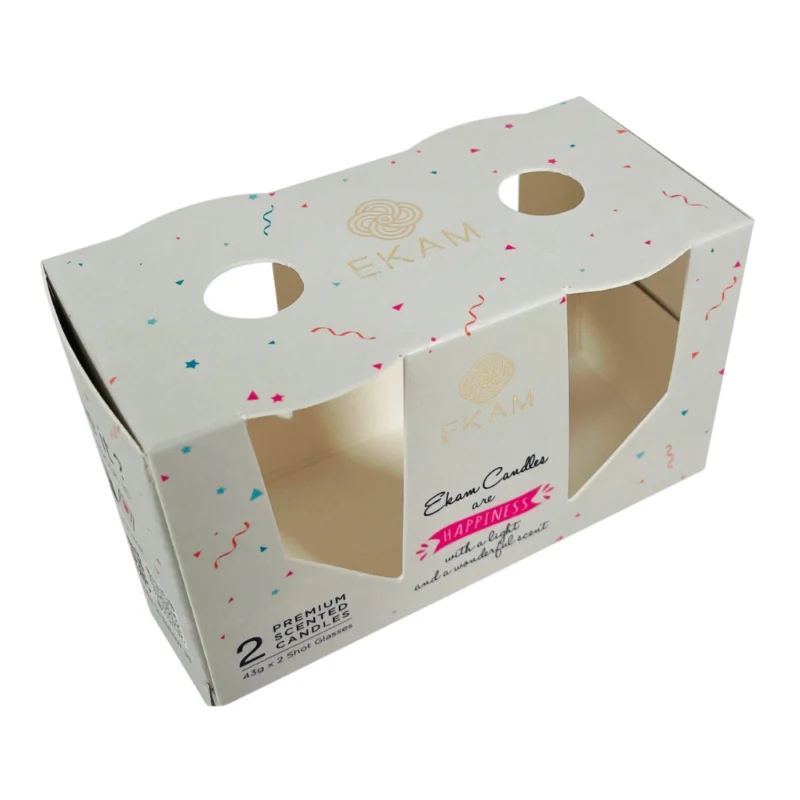
Print compatibility is evolving too. Next-gen materials are designed to work seamlessly with advanced printing techniques, delivering sharper visuals, premium finishes, and consistent branding. Matte, gloss, textured surfaces, and specialty coatings are now engineered into the material itself, not added as an afterthought.
Perhaps the most exciting shift is how materials enable customization at scale. Flexible substrates and modular structures allow brands to adapt packaging for different markets without redesigning everything from scratch. Faster turnaround, lower waste, better localization. Everyone wins.
But none of this matters without the right execution. Innovative materials need expert handling, testing, and integration into real-world production. That’s where experience makes all the difference.
Competitive Advantage Through Smarter Packaging
As packaging materials continue to advance, brands gain more control over how products are stored, shipped, and experienced by customers. Smarter materials reduce breakage, improve shelf life, and adapt better to global logistics challenges. They also allow brands to experiment with form, texture, and finish without sacrificing performance. Over time, this leads to lower operational costs and stronger brand differentiation. The result is packaging that works harder behind the scenes while looking effortless on the shelf, proving that material innovation is no longer a technical upgrade, but a strategic business decision.
Kreatica Packaging stays ahead by constantly evolving its material choices and production methods to meet modern demands. By combining next-gen materials with thoughtful design and end-to-end execution, Kreatica helps brands package smarter, ship safer, and stand out louder. If your packaging needs to keep up with where the industry is headed, Kreatica Packaging is already there.